

Philly Has Motion, Even With the Market on Edge
From cautious buyers and bold design to spring culture, corridor revival and warehouse conflict
🏘️💰✨ Residential – Listings, Moves & Market Trends
🏠⚠️ Philly’s Spring Market Was Ready to Wake Up — Then Came More UncertaintyJust when Philly’s spring housing market looked ready to thaw out, a new layer of uncertainty stepped in.
According to the Philadelphia Business Journal (March 11, 2026), the region is coming off a brutal February that saw the fewest new listings in a generation, with just 4,574 new homes hitting the market across the Bright MLS footprint. Closed sales were down too, but prices still climbed, with the median sale price rising 5% to $377,875.
That alone would be enough to make this spring feel shaky. But now there’s a bigger wildcard hanging over everything: global uncertainty tied to the war in Iran. If that conflict drags on and pushes oil prices and mortgage rates higher, economists say the spring market could get a lot tougher in a hurry.
The Philly twist, though, is that this market usually doesn’t swing as wildly as other places. So while the city is definitely feeling the tension, it may not get hit with the same kind of whiplash some hotter markets would.
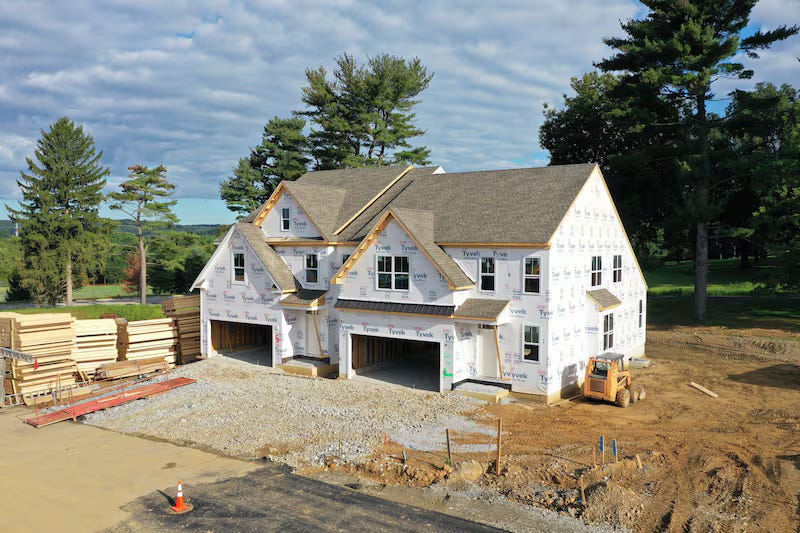
🏡✂️ The Backyard Is Losing to the Locked-In MortgageThe low-rate lock-in effect is doing more than freezing people in place — it’s literally reshaping homes.
According to the Philadelphia Inquirer (March 15, 2026), more homeowners are choosing to expand the houses they already have instead of moving, and one of the biggest sacrifices is backyard space. Rather than trade a 2% or 3% mortgage for a much more expensive loan, many owners are tapping equity, adding bedrooms, bumping out kitchens, and building deeper into the lot.
The result? Smaller outdoor spaces, bigger footprints, and a housing market where people are solving the problem of “I need more room” without ever actually selling.
It’s one of those subtle shifts that says a lot about this market. People still want change. They just don’t want a new mortgage attached to it.
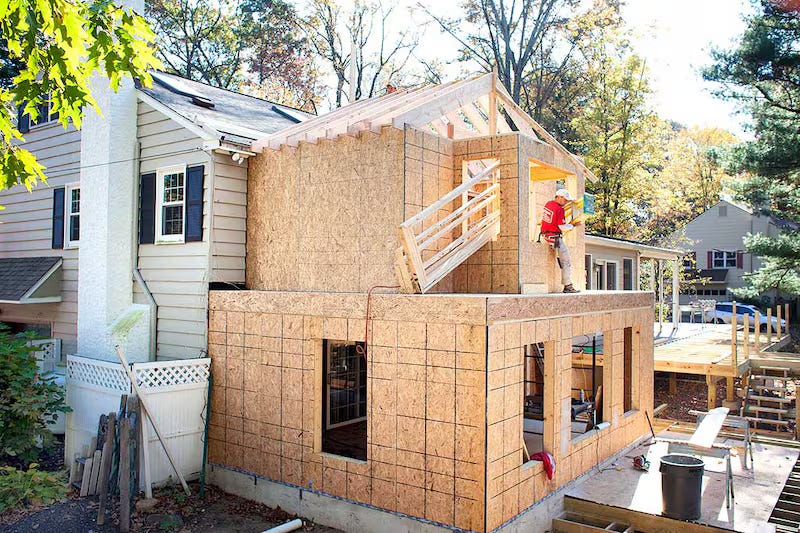
🖼️🏳️🌈 Wallpaper’s Back, the Gayborhood May Grow, and Philly’s Market Still Feels TightThis one was less one big story and more a little Philly real estate variety pack.
The Inquirer’s March 12 newsletter bounced from wallpaper making a comeback, to redevelopment plans tied to the William Way LGBT Community Center, to a peek inside an apartment near Old Kensington/Fishtown/Northern Liberties, and then circled back to the market itself.
A few things jumped out:
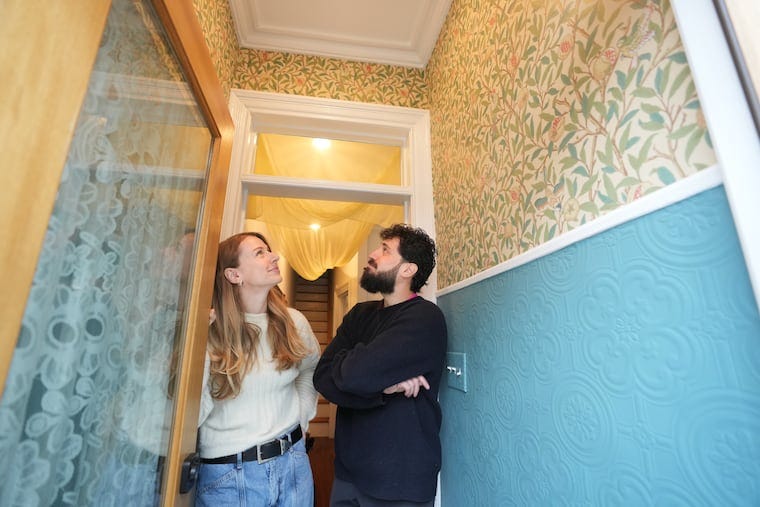
Wallpaper is officially out of its punishment era and back in style, mostly because peel-and-stick versions make it a lot less scary for renters and commitment-phobes alike. Meanwhile, the William Way conversation feels a lot bigger than one building — it’s really about whether the Gayborhood can preserve community while also making room for people, especially seniors, who may otherwise get priced out. And underneath all of that, the market stats were a reminder that Philly still has the same problem: low inventory, cautious buyers, cautious sellers, and prices that keep hanging in there anyway.
So yes, wallpaper is back. But also: the real estate identity crisis continues.
🎨🎉🌟 Lifestyle & Entertainment – Food, Fun, Festivals & Philly Vibes 🎵🍽️🏙️✨
🌷🎉 Spring Pulled Up and Philly Said Let’s GoSpring has officially entered the chat.
And Philly wasted absolutely no time filling the calendar.
This week’s lineup has a little bit of everything:
spring blooms at spots like Shofuso and the PHS Pop Up Gardens
March Madness games at Xfinity Mobile Arena
a strong arts week with Philly GRIT and the BalletX Spring Series
serious food-world heat with James Beard Foundation’s Taste America
and family options all over the place, from Linvilla Orchards to Sesame Place
One of the coolest ones in the mix is Penn Museum’s Holi celebration, which brings storytelling, music, dance, art-making and the famous burst of color that makes the Festival of Colors what it is.
Basically, if winter had you in the house too long, Philly is now giving you plenty of reasons to come back outside.

☘️📚 Your Favorite Irish Bar Might Be Hiding a Whole History LessonThis was a fun one because it turned Philly bar-hopping into a mini Irish history class.
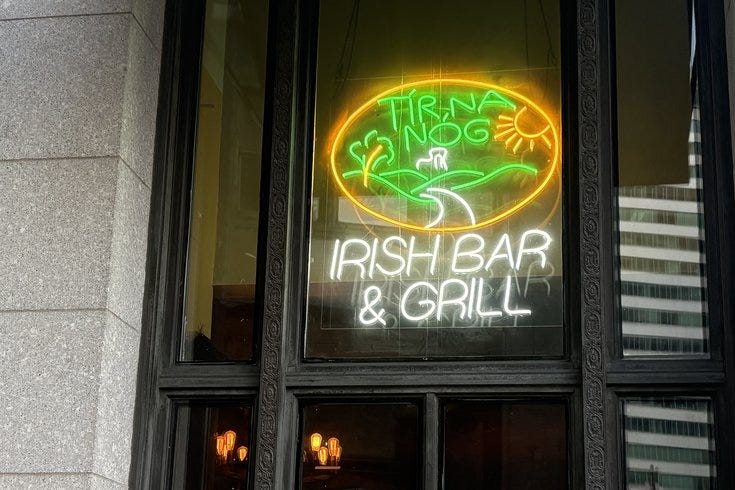
According to Philly Voice (March 13, 2026), several Irish bars around the city are named after way more than just some guy named Mike or Sean. Spots like Finn McCool’s, Tir Na Nog, The Plough & the Stars, Black Taxi, Fado, and the soon-to-open Monto all pull from Irish mythology, Gaelic language, political history, and old Dublin culture.
And honestly, that makes these places a little cooler.
You’re not just walking into a bar — you’re walking into a name that might reference:
a mythological warrior
the land of eternal youth
a flag tied to the Easter Rising
Belfast’s black taxi tours during the Troubles
or an old Dublin folk song
Right before St. Patrick’s Day weekend, this kind of article is a good reminder that Philly’s Irish bar scene isn’t just themed — a lot of it is rooted in real cultural memory.
🍽️🏆 Chad Williams Isn’t Coasting — He’s Building the Next ChapterSome people hit the top and finally exhale.
Chad Williams does not seem built that way.
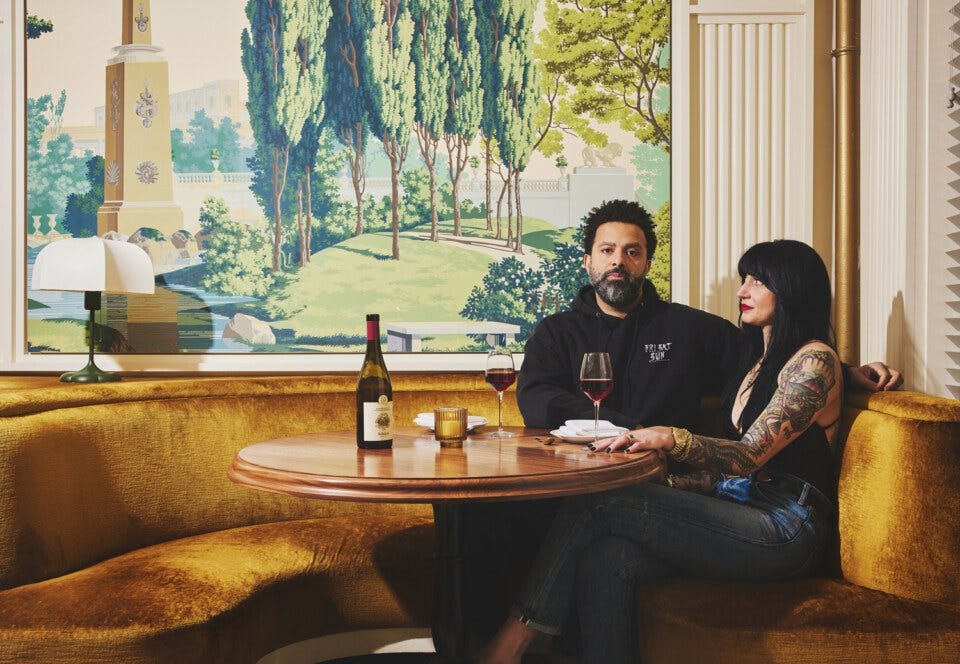
In this Philly Mag profile (March 13, 2026), the chef behind Friday Saturday Sunday comes across less like someone celebrating arrival and more like someone obsessed with what comes next. Even after a Michelin star, a James Beard Award, and national recognition, he and his wife Hanna are still pushing — now with plans to expand next door and create something closer to a true grand Philadelphia dining experience.
What makes the story hit is that it’s not really just about restaurant success. It’s about craft, pressure, ambition, partnership, and the idea that excellence is not a finish line. It’s a daily decision. Williams talks like someone who sees food as art, hospitality as purpose, and growth as responsibility.
And honestly, that mindset feels very Philly when it’s done right — not flashy for the sake of it, but serious, soulful, and earned.
🏢💼🌟 Commercial – Towers, Deals & Transformations
🏗️🧺 Harbison Avenue Is Getting a Commercial RefreshNot every commercial story is flashy. Some are just useful.
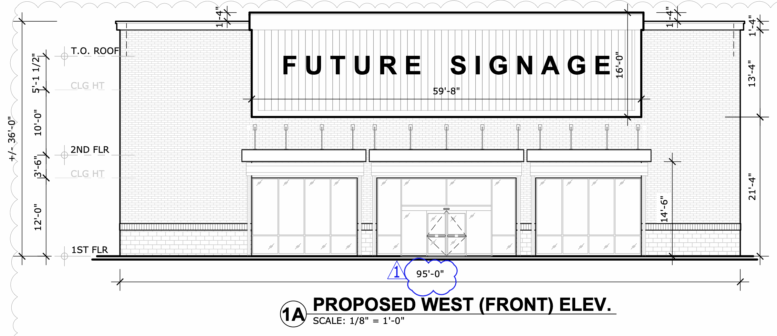
A new two-story commercial project at 6001 Harbison Avenue in Wissinoming is officially moving forward, with permits issued for a building that will include a laundromat, office space, and storage. The site sits in a CMX-2 district, and the approved plans call for a vertical addition plus rear expansion, bringing the total project to just under 15,000 square feet.
This is the kind of project that probably won’t make the loudest headlines, but it matters because it reflects steady neighborhood-level commercial activity. It’s not luxury, not a mega-development, not some shiny mixed-use tower. Just a straightforward commercial use in a corridor where practical service businesses still matter.
🏬🎨 Market East Is Getting a Quick Hit of Energy While Philly Figures Out the Bigger FixMarket East is trying to do two things at once: look better fast, and figure itself out for real.
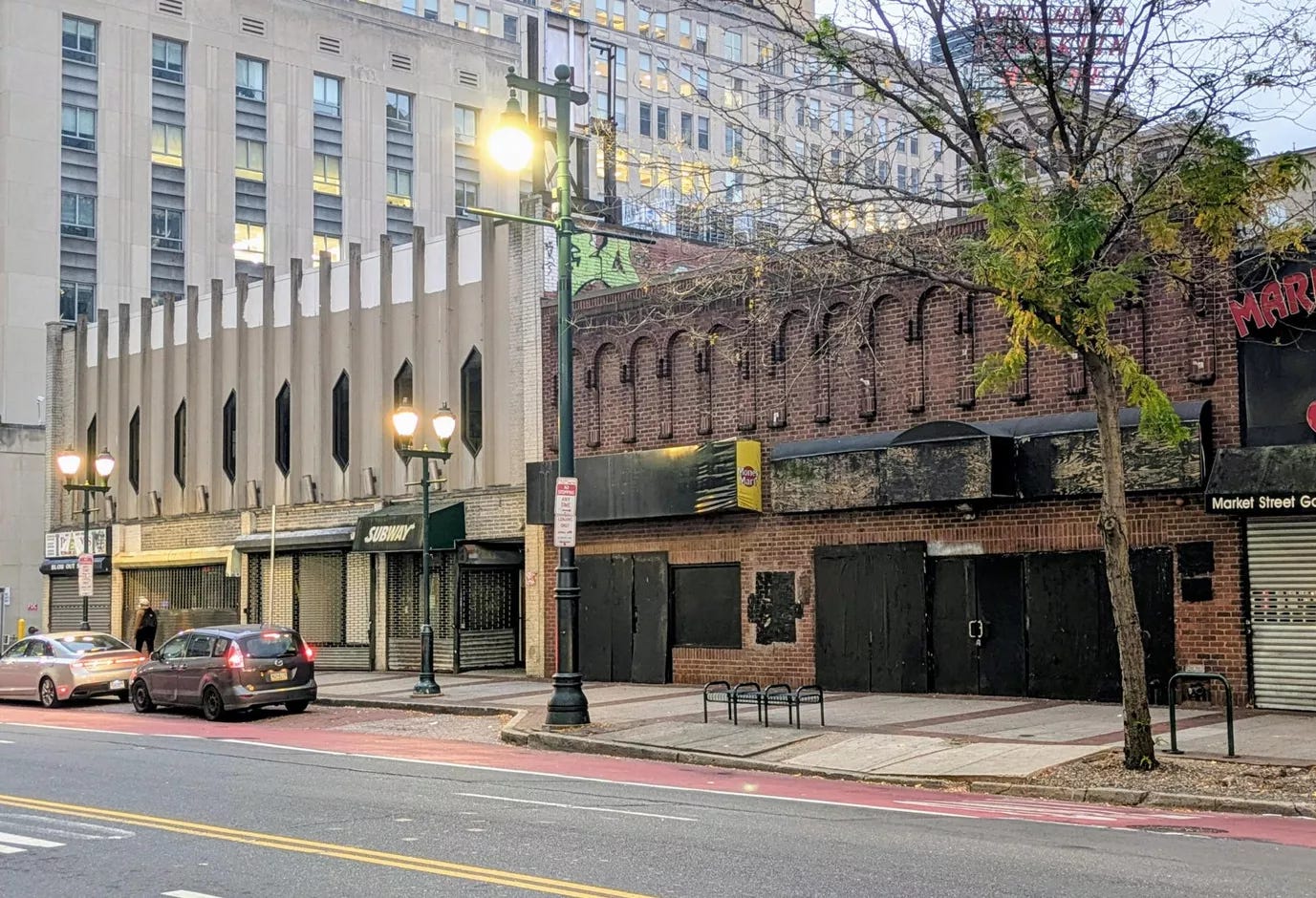
According to Bisnow (March 11, 2026), eight pop-up stores are expected to open on the 900 block of Market Street by early May, just ahead of the World Cup. The idea is to inject some life into a stretch that has felt empty, stale and way too important to stay that way.
But the pop-ups are really the short game. The bigger conversation is about what finally brings lasting investment back to the corridor. City leaders are now openly talking about incentives, including the possibility of long-term tax abatements or other public support to help get redevelopment moving.
So this is part beautification, part stopgap, part economic-development test.
And honestly, Market East probably needs all three.
🚚🏭📦 Industrial – Warehouses, Logistics & Big Boxes
🏭⚠️ Big Warehouse Deal, Bigger QuestionsThis wasn’t your standard industrial real estate story.
According to Bisnow (March 12, 2026), DHS/ICE spent $87.4 million on a warehouse property in Upper Bern Township, Berks County, with plans to use it as a processing center — but the site is already tied up in unresolved maintenance, stormwater, and road stabilization issues.
Now the Pennsylvania Department of Environmental Protection has stepped in with administrative orders blocking occupancy, arguing the surrounding infrastructure can’t handle the scale of what’s being proposed. State officials say the project could strain drinking water, sewage systems, and the broader township itself.
So yes, this is an industrial story — but it’s also a reminder that not every warehouse deal is just about square footage, logistics, and location. Sometimes the real fight starts after the purchase, when infrastructure, politics, and public pressure all hit at once.

Photo: Андрей Бобровский, CC BY 3.0, via Wikimedia Commons

Also published on Substack.